More
Сhoose
RootRace Software Solutions
Where Technology Meets Craftsmanship

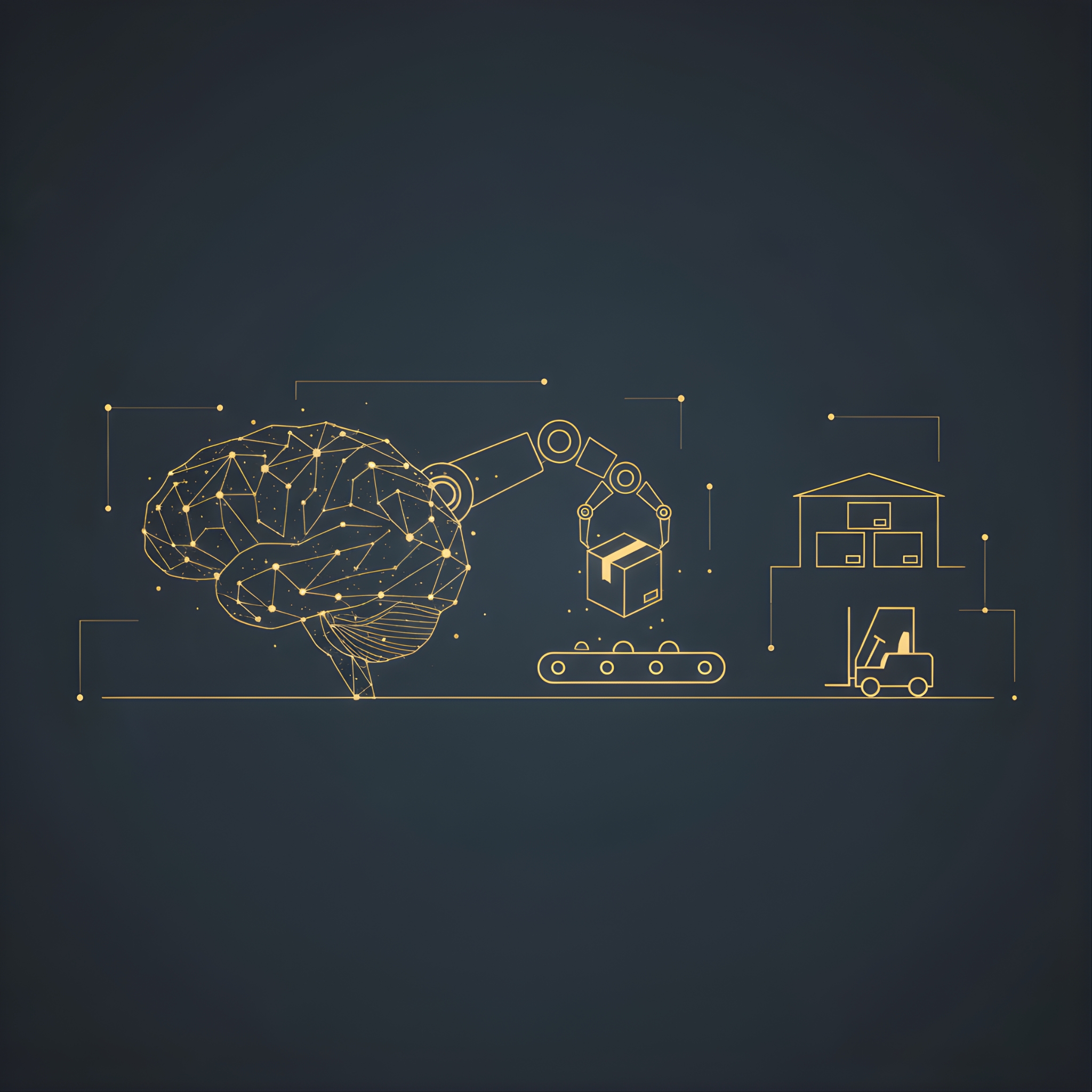
In 2025, logistics and supply-chain networks have become intelligent systems not just pipes for goods and artificial intelligence (AI) together with automation are the engines behind that change. At RootRace, we’re building and deploying these systems with partners who expect precision, resilience and a premium customer experience.
Recent shocks from shifting trade patterns to extreme weather and labour volatility have exposed the limits of legacy supply chains. The response has accelerated practical AI and automation adoption: not as experiments, but as operational foundations that reduce cost, increase agility and protect service levels.
Modern forecasting models fuse traditional data with alternative signals weather, market indicators and near-real-time demand feeds producing far more accurate, actionable forecasts. The result: lower stock buffers, fewer stockouts and a cleaner, more responsive inventory footprint.
Robotics, automated sortation and vision-driven inspection are moving from pilots to production in 2025. This reduces cycle times and improves fulfillment accuracy essential for premium service promises.
AI routing now adapts delivery plans in real time using live traffic, weather and changing order patterns shrinking delivery windows while lowering miles and emissions.
The shift from automation to autonomy means systems that coordinate end-to-end: matching freight, rerouting shipments, and allocating capacity without constant manual intervention. This reduces decision latency across the network.
| Challenge | AI / Automation Response | Expected Impact |
|---|---|---|
| Unplanned downtime | Edge AI predictive maintenance | Reduced downtime; faster MTTR |
| Delivery variability | Dynamic routing & telematics | Improved on-time delivery rates |
| Inventory waste | AI inventory optimisation | Lower carrying costs; fewer stockouts |
“In 2025, leaders win not by having the most data, but by acting on the right data faster than anyone else.”
RootRace Software Solutions partners with logistics and manufacturing leaders to design and deliver pragmatic AI and automation solutions. Our approach is deliberately practical:
Our recent engagements include designing a predictive-maintenance pipeline for a regional carrier and implementing an AI routing layer for a premium ecommerce brand both delivered measurable uplift in uptime and delivery reliability.
AI and automation in 2025 are no longer experimental they are operational imperatives. For organisations that must deliver premium service, the difference between competitors will be defined by how intelligently they use these tools. RootRace is not a bystander in this evolution: we design, build, and scale the intelligent systems that turn supply-chain capability into a competitive advantage. If you’re ready to move from reactive logistics to proactive, AI-driven operations, we’re ready to partner and architect the path forward.
Want to discuss how AI can transform your logistics? Contact RootRace for a pragmatic roadmap and pilot plan.